
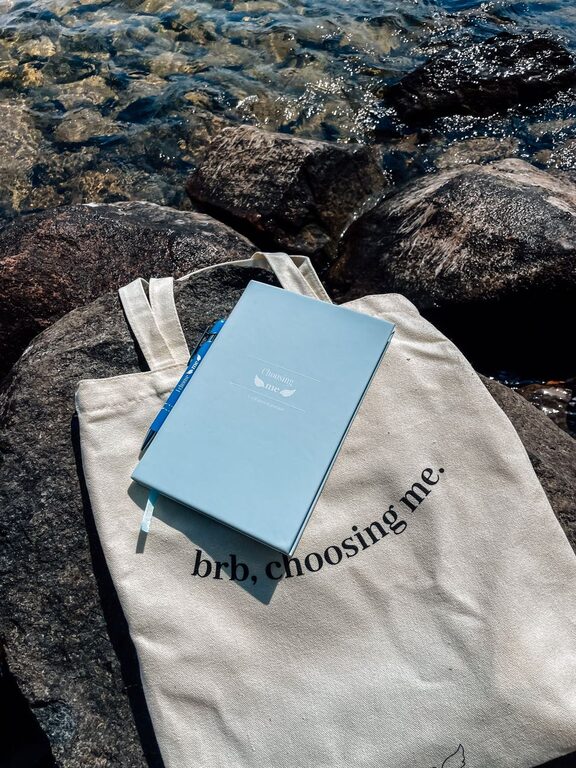
How to Choose a Notebook You’ll Actually Use Every Day
Choosing the right notebook might seem like a simple task, but with so many options available, it can quickly become overwhelming. Whether you want a notebook for jotting down ideas, planning your day, or journaling, selecting one you’ll actually use requires some thought. In this guide, we’ll explore practical tips to help you find a notebook that fits your lifestyle and motivates you to keep writing.
Why Choosing the Right Notebook Matters
A notebook is more than just a collection of pages; it’s a tool for creativity, organization, and reflection. When you pick a notebook that feels good to use, you’re more likely to reach for it consistently. On the other hand, a poorly chosen notebook can end up forgotten on a shelf or torn apart in frustration.
Let’s break down the key factors to consider before making your purchase.
1. Identify Your Purpose
Before browsing styles and brands, clarify why you want a notebook. Some common uses include:
– Note-taking: For school, work, or meetings.
– Journaling: Personal reflection or creative writing.
– Planning: Tracking tasks, goals, and schedules.
– Sketching: Drawing or doodling.
– Idea collection: Brainstorming and mind mapping.
Knowing your primary use helps determine the type of notebook that suits your needs.
2. Choose the Right Size
Notebook sizes range from pocket-friendly to large sketchbook formats. Consider where and how you’ll use it:
– Pocket-sized (A6 or smaller): Easy to carry everywhere, good for quick notes or ideas on the go.
– Medium (A5): Popular size balancing portability and writing space, ideal for daily journaling or planning.
– Large (A4 or bigger): Suitable for detailed notes, sketches, or if you prefer spacious pages.
Ask yourself if you’ll mostly write at a desk or need something compact for travel.
3. Decide on the Binding Style
The binding affects how the notebook lays flat and its durability.
– Spiral-bound: Pages turn easily and lay flat, good for note-taking but may get bent in bags.
– Thread-sewn or perfect bound: More durable and professional-looking; some open flat, others don’t.
– Hardcover vs. Softcover: Hardcovers offer protection and last longer; softcovers are lighter but less sturdy.
Try handling notebooks in-store to see what feels comfortable.
4. Pick Your Paper Type
Paper quality can make a big difference in your writing experience.
– Weight: Measured in GSM (grams per square meter), heavier paper (80 GSM or above) prevents ink bleed-through.
– Texture: Smooth paper suits ballpoint pens and markers, while rougher surfaces work well with pencils.
– Color: White or cream pages reduce glare and can be easier on the eyes.
If you use fountain pens or markers, look for notebooks made to handle those inks without feathering.
5. Consider Page Layout
The layout depends on your writing or drawing style.
– Lined pages: Great for writing and note-taking.
– Grid or dot grid: Popular for bullet journaling, planning, and sketching.
– Blank pages: Perfect for artists or freeform note-takers.
Some notebooks also offer mixed layouts or customizable pages.
6. Look for Extra Features
Additional features can enhance your notebook’s usefulness.
– Page numbers: Helpful for indexing and referencing.
– Index or table of contents pages: Keep your notes organized.
– Ribbon bookmarks: Make it easy to find your current page.
– Expandable inner pocket: Store loose papers or stickers.
– Elastic closure: Keeps the notebook securely shut during transport.
Choose extras that align with how you plan to use your notebook.
7. Set Your Budget
Notebooks vary widely in price, from inexpensive spiral pads to high-end designer journals. While it’s tempting to go for the cheapest option, investing in a well-made notebook sometimes pays off because you’re more likely to use and enjoy it.
Consider:
– How often you plan to use it.
– Whether quality materials matter to you.
– If a stylish design motivates you to write more.
8. Test Before You Commit
If possible, try writing on sample pages in stores. Write a few lines with your favorite pen or pencil to check for bleed-through, feathering, and comfort.
Reading reviews online can also give insight into durability and paper quality.
9. Personalize Your Notebook
Once you pick a notebook, adding your personal touch can make it feel special and encourage regular use.
– Decorate the cover with stickers or washi tape.
– Create a personalized index or key.
– Use color-coded pens or markers for organization.
– Set up your first few pages with your goals or prompts.
Conclusion
Choosing a notebook you’ll actually use is about matching it to your habits, preferences, and needs. Think through what you want to accomplish, handle different options, and don’t be afraid to invest in something that inspires you. With the right choice, your notebook can become a trusty companion for capturing your thoughts, plans, and creativity every day.
Happy writing!
