
Beginner Tips for Composting at Home: Easy Steps to Start Today
Composting at home is a fantastic way to reduce waste, enrich your garden soil, and contribute to a healthier environment. If you’re new to composting, it might seem a bit overwhelming at first, but with a few easy steps, you can get started and enjoy the benefits in no time. This guide will walk you through the basics and share helpful tips to make home composting a success.
What Is Composting?
Composting is the natural process of breaking down organic materials, such as food scraps and yard waste, into nutrient-rich soil called compost. This compost can be added to your garden beds or flower pots to improve soil structure, retain moisture, and provide essential nutrients to plants.
Why Compost at Home?
– Reduce landfill waste: Composting diverts kitchen scraps and yard waste from the trash.
– Improve soil health: Compost adds nutrients and improves soil texture.
– Save money: Reduce the need for chemical fertilizers and soil conditioners.
– Support sustainability: Composting lowers your carbon footprint by recycling organic matter.
Getting Started: What You Need
Before you begin, you’ll need to gather some basics:
Choose a Composting Method
– Compost bin: A closed container, often with ventilation, that holds your compost pile.
– Compost pile: An open heap in your yard.
– Worm composting (vermicomposting): Using worms in a bin to break down food scraps.
– Tumbler: A rotating container that speeds up decomposition.
For beginners, a simple compost bin or pile is usually easiest.
Find the Right Spot
Place your compost bin or pile in a convenient, well-drained spot with some shade to maintain moisture. Avoid placing it directly on concrete to allow for drainage and aeration.
What Can You Compost?
Understanding what to add to your compost is key for success. Compostable materials are generally divided into “greens” and “browns.”
Greens (Nitrogen-rich materials)
– Fruit and vegetable scraps
– Coffee grounds and filters
– Tea bags (check if compostable)
– Fresh grass clippings
– Plant trimmings
Browns (Carbon-rich materials)
– Dry leaves
– Straw or hay
– Shredded newspaper or cardboard
– Wood chips or sawdust (untreated)
– Paper towels and napkins (unbleached)
Items to Avoid
– Meat, fish, dairy, and oily foods (can attract pests)
– Pet waste
– Diseased plants
– Chemically treated wood or plants
– Glossy paper or plastics
Tips for Successful Composting
1. Balance Greens and Browns
For compost to break down efficiently, keep a balanced mix of greens and browns. Aim for roughly three parts browns to one part greens to maintain proper nitrogen levels.
2. Chop or Shred Materials
Smaller pieces break down faster. Chop vegetable scraps and shred leaves or cardboard to speed decomposition.
3. Keep It Moist
Your compost should feel like a damp sponge—not too dry or too wet. If it’s dry, add water or green materials; if too wet, add more browns.
4. Turn or Aerate Regularly
Mix your compost every 1-2 weeks to add oxygen, which helps microorganisms break down materials faster and reduces odors.
5. Be Patient
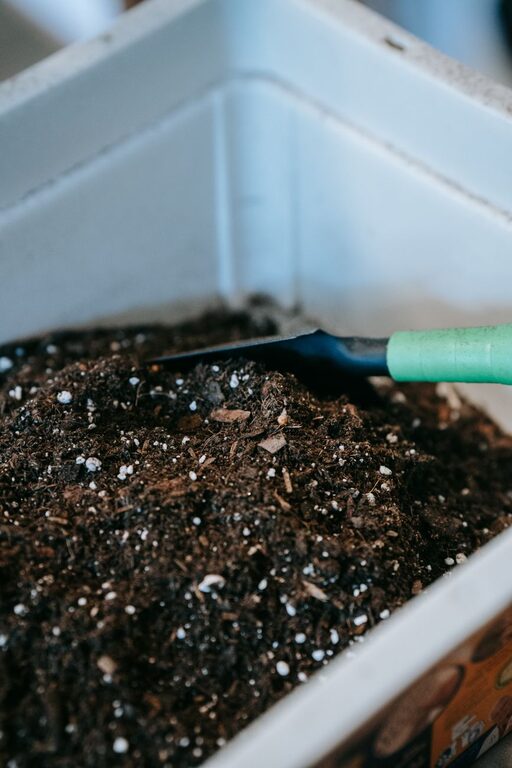
Composting can take anywhere from a few months to a year depending on conditions. Finished compost looks dark, crumbly, and earthy-smelling.
Troubleshooting Common Issues
Compost Smells Bad
This usually means your pile is too wet or has too many greens. Mix it well and add dry browns. Also, make sure your pile has enough air.
Pests or Animals Are Visiting
Avoid adding meat, dairy, or oily foods. Use a closed bin or secure lid, and bury food scraps under browns.
Compost Is Not Decomposing
Check moisture levels and aerate your pile. Adding nitrogen-rich greens can speed up the process.
Using Your Finished Compost
Once your compost is ready, use it to:
– Enrich garden beds by mixing it into soil
– Fertilize potted plants by adding a layer on top
– Mulch around trees and shrubs to retain moisture
– Improve lawns by spreading a thin layer over grass
Final Thoughts
Starting a compost bin at home is easier than you might think, and it’s a rewarding way to contribute to your garden and the environment. With proper balance, moisture, and patience, you’ll soon have rich, homemade compost that helps your plants thrive. So gather your scraps, set up a bin, and watch nature do its magic!
Happy composting!
