
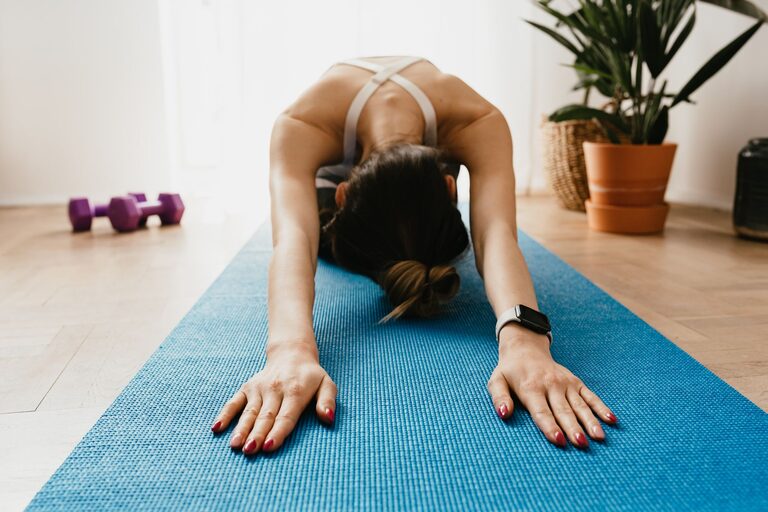
A Beginner’s Guide to Stretching at Home for Better Flexibility
Stretching is a simple yet powerful way to keep your body flexible, reduce muscle tension, and improve circulation. Whether you’re new to exercise or looking for a way to unwind after a long day, stretching at home offers countless benefits without the need for special equipment or a gym membership.
In this beginner’s guide, we’ll walk you through the basics of stretching, including why it’s important, how to prepare, and a step-by-step routine you can follow. Let’s get started on your journey to feeling more flexible and relaxed!
Why Stretching at Home is a Great Idea
Stretching isn’t just for athletes or yogis. It’s a gentle way to care for your muscles and joints that anyone can do. Here are some reasons why stretching at home is beneficial:
– Improves flexibility: Regular stretching helps lengthen muscles and tendons, making daily movements easier.
– Reduces muscle stiffness: It relieves tension built up from sitting or standing too long.
– Enhances circulation: Stretching increases blood flow to your muscles, promoting faster recovery.
– Prevents injury: Flexible muscles are less prone to tears and strains.
– Boosts mental relaxation: Stretching can be a calming activity that reduces stress.
Plus, doing it at home means you can fit it into your schedule whenever it’s convenient—no travel, no fees, just you and some space.
Before You Start: Tips for Safe Stretching
To get the most out of your stretching routine and avoid injury, keep these pointers in mind:
– Warm up first: Stretching cold muscles can cause injury. Walk around or do light activity for 5-10 minutes to warm up.
– Avoid bouncing: Use smooth, steady movements instead of bouncing, which can strain muscles.
– Listen to your body: Stretch to the point of gentle tension, not pain.
– Breathe deeply: Slow breathing helps your muscles relax during stretches.
– Be consistent: Aim to stretch at least 3-4 times a week for best results.
Basic Stretching Routine for Beginners
This simple routine targets major muscle groups and takes about 15–20 minutes. Hold each stretch for 20-30 seconds and repeat 2-3 times.
1. Neck Stretch
– Sit or stand tall.
– Slowly tilt your head to the right, bringing your ear toward your shoulder.
– Use your right hand to gently hold your head for a deeper stretch.
– Switch sides.
2. Shoulder Stretch
– Bring your right arm across your chest.
– Use your left hand to gently pull your arm closer.
– Keep your shoulders relaxed and down.
– Switch arms.
3. Chest Opener
– Clasp your hands behind your back.
– Straighten your arms and gently lift your hands away from your back.
– Open your chest and look forward.
4. Cat-Cow Stretch (Spine Mobility)
– Get on your hands and knees with wrists under shoulders and knees under hips.
– Inhale, arch your back and lift your head and tailbone (Cow).
– Exhale, round your spine and tuck your chin and pelvis (Cat).
– Repeat for 5-10 breaths.
5. Seated Forward Fold (Hamstrings and Lower Back)
– Sit with legs extended straight in front.
– Inhale, lengthen your spine.
– Exhale, hinge at the hips and reach toward your toes.
– Keep your back as straight as possible.
6. Quadriceps Stretch
– Stand holding a chair for balance.
– Bend your right knee and bring your heel toward your buttocks.
– Grab your ankle with your right hand, keeping knees close.
– Switch legs.
7. Calf Stretch
– Stand facing a wall.
– Place your hands on the wall at shoulder height.
– Step your right leg back, keeping it straight and heel on the floor.
– Bend your left knee slightly and lean forward.
– Switch legs.
Incorporating Stretching Into Your Day
Stretching doesn’t have to be a big commitment. Here are some easy ways to weave it into your routine:
– Stretch in the morning to wake up your body.
– Take short stretch breaks during work or study sessions.
– Stretch after workouts to help muscles recover.
– Unwind with relaxing stretches before bed.
Equipment You Might Like to Use
Though stretching can be done with just your body, some tools can enhance the experience:
– Yoga mat: For cushioning on hard floors.
– Stretch bands: Assist with deeper stretches.
– Foam roller: For muscle release in conjunction with stretching.
Final Thoughts
Starting a stretching routine at home is a fantastic way to improve your flexibility, reduce discomfort, and promote overall health. Remember to take it slow, be consistent, and enjoy the process. Over time, you’ll feel more agile and relaxed in your body.
Give this beginner’s guide a try, and soon stretching will become a simple, rewarding part of your daily self-care!
