
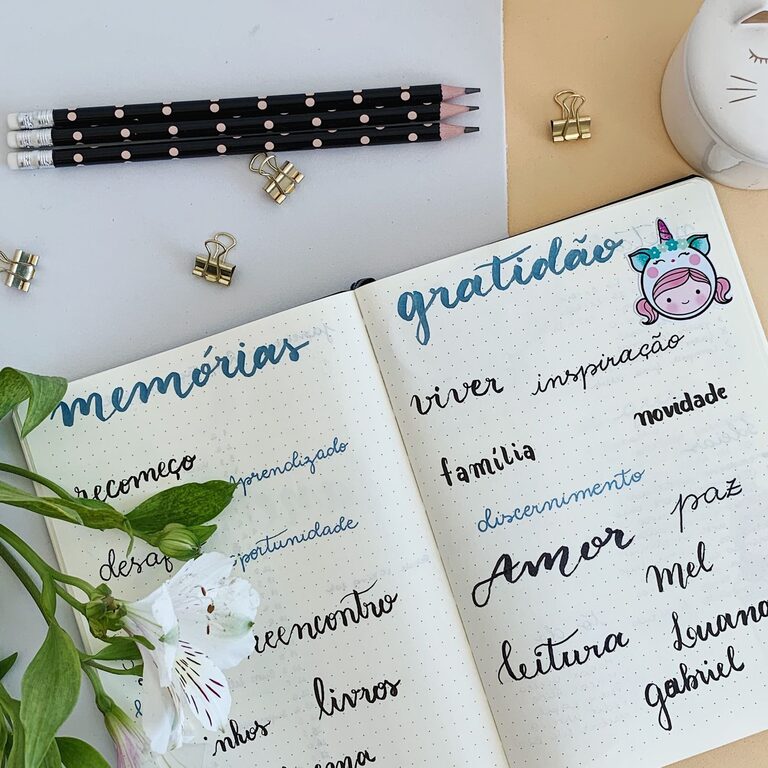
How to Start a Gratitude Journal: A Simple Guide to Boosting Happiness
Keeping a gratitude journal is a simple yet powerful way to shift your focus toward the positive aspects of life. By regularly recording the things you are thankful for, you can enhance your mood, reduce stress, and develop a more optimistic outlook. If you’re new to gratitude journaling or want to make it a consistent habit, this guide will walk you through the process step-by-step.
What Is a Gratitude Journal?
A gratitude journal is a personal diary where you write down moments, people, or experiences that you appreciate. Unlike a typical journal where you might record daily events or feelings, a gratitude journal specifically highlights positive things that bring you joy or comfort.
Why Start a Gratitude Journal?
Research shows that practicing gratitude can have a variety of benefits:
– Improves emotional well-being and happiness
– Reduces feelings of stress and anxiety
– Enhances relationships by increasing appreciation for others
– Encourages a more positive outlook on life
– Helps you focus on what you have rather than what you lack
Getting Started: What You Need
You don’t need anything fancy to start a gratitude journal. Here are some basic items to help you begin:
– A notebook or journal dedicated solely to gratitude
– A pen or pencil you enjoy using
– Optional: a comfortable, quiet space for writing
– Optional: prompts or ideas to inspire your entries
How to Write Your First Entries
1. Choose a Time and Place
Setting a specific time and place for journaling helps build a routine. Many people find that writing either first thing in the morning or right before bed works well. Choose a peaceful spot where you won’t be interrupted.
2. Start Small
Begin by listing three to five things you are grateful for each day. These can be simple, everyday things such as a warm cup of tea, a kind gesture from a friend, or the sunshine outside.
3. Be Specific
Instead of general statements like “I’m grateful for my family,” try to be more detailed: “I’m grateful for the phone call I had with my sister today because it made me laugh.” Specificity helps deepen your appreciation.
4. Use Positive Language
Focus on positive feelings and avoid negative or neutral phrases. Expressing gratitude is about recognizing good things, so keep your entries uplifting.
5. Reflect on Why
Take a moment to think about why you are thankful for each item. Writing down why something matters to you can deepen your sense of gratitude.
Tips for Maintaining Your Gratitude Journal
– Be consistent: Aim to write in your journal daily or several times a week to keep the habit alive.
– Mix it up: Occasionally include gratitude for challenges or lessons learned, which can help you grow.
– Keep it private: Your journal is for you. Don’t worry about grammar or style—just write honestly.
– Use prompts when stuck: If you’re unsure what to write, try gratitude prompts such as “Today I appreciate…” or “One person I’m thankful for is…”
– Add variety: Include drawings, photos, or quotes alongside your entries for creative expression.
Examples of Gratitude Journal Entries
– “I’m grateful for the delicious dinner I shared with my friends tonight. Their laughter made my day brighter.”
– “Today, I appreciate the quiet moments I had reading a good book on the porch.”
– “I’m thankful for my health and the energy I felt during my morning walk.”
Common Challenges and How to Overcome Them
Challenge: Forgetting to Write
Solution: Set a daily reminder on your phone or link journaling to another habit like having coffee.
Challenge: Feeling Like Nothing Good Happened
Solution: Look for small things, such as a smile from a stranger or a favorite song on the radio.
Challenge: Losing Motivation
Solution: Revisit your journal entries from earlier weeks to see the positive moments you’ve recorded.
Benefits You Can Expect Over Time
By keeping a gratitude journal regularly, many people notice:
– Increased feelings of happiness and contentment
– Better sleep and reduced symptoms of depression
– Greater resilience during difficult times
– Improved relationships with friends and family
Final Thoughts
Starting a gratitude journal is a simple and effective way to nurture a positive mindset. It doesn’t require a lot of time—just a few minutes a day can make a big difference. Remember, the goal is progress, not perfection. Focus on appreciating the good in your life, and over time you’ll likely feel more joyful and connected.
Why not start your gratitude journal today? Grab a notebook and pen, find a cozy spot, and begin writing down three things you’re thankful for right now. Your future self will thank you!
